Alex Schütz Collection

Object. Power. Culture.

Premonetary Currencies of the World: More than 2,200 objects from Africa, Asia, Oceania, Europe, and the Americas tell the story of money, long before coins and banknotes existed. Copper crosses, gold-dust weights, tea bricks, or ostrich eggshell beads: each piece is not only a medium of exchange, but also a cultural artifact.

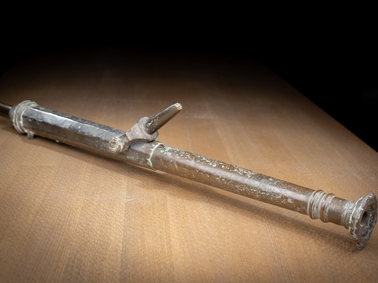
Swivel Cannon – Firepower as Currency
01

Swivel Cannon – Firepower as Currency

Small swivel cannons such as this played a central role in the Sultanate of Brunei and across the wider island world of Southeast Asia. They were used in naval warfare, but also for signaling, ceremonial salutes, and as emblems of prestige. A boat without cannons was seen as dishonourable, and its owner as insignificant. On the occasion of his appointment, a minister would even be presented with a cannon of this type.

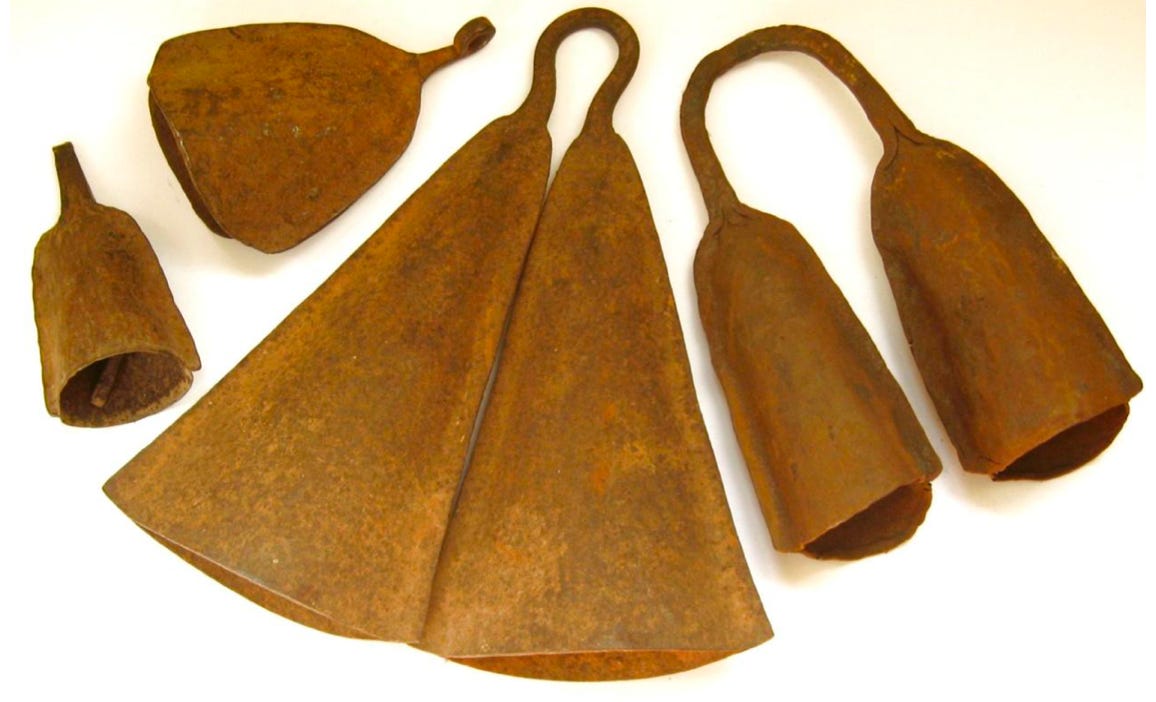
For centuries these weapons also functioned as currency. Cast in bronze, brass, copper, or iron, they possessed intrinsic value and circulated as prized trade objects, fines, and bridewealth. On Borneo, for instance, the bride price was measured in pikul (60 kg), which could be made up of cannons, gongs, buffalo bells, or Chinese porcelain. The Brunei one-dollar coin of 1970 still commemorates these "money cannons."
Katanga Crosses – Prestige and Magic
02

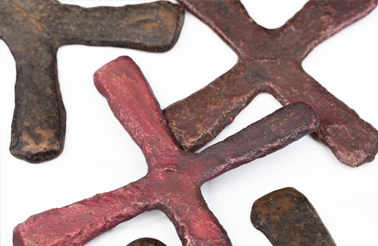
Katanga Crosses – Prestige and Magic

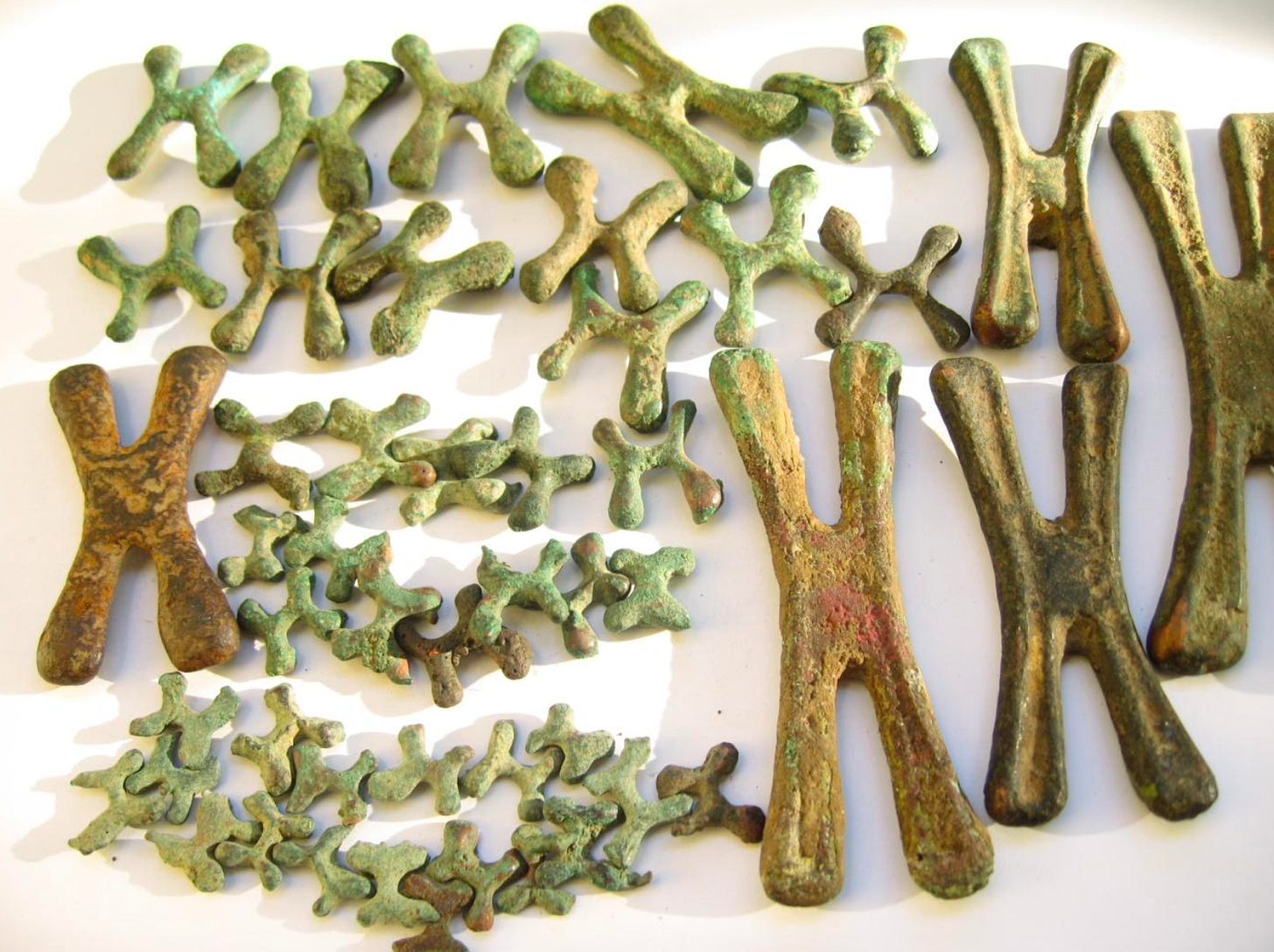
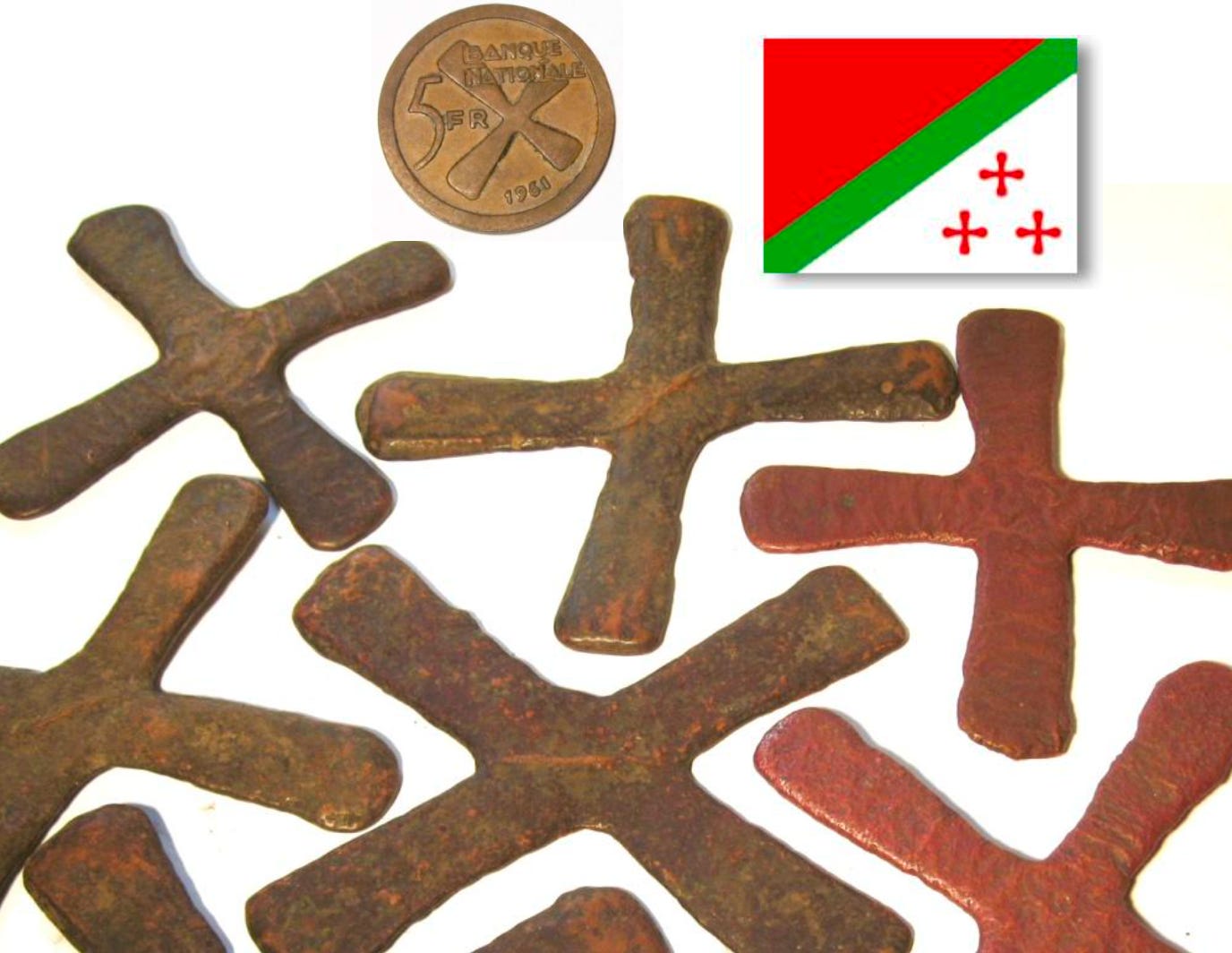
The Katanga crosses from the Congo and Zimbabwe rank among the most spectacular pre-monetary means of payment in Africa. For centuries they served not only as trade and currency objects. Exchanged for slaves, flour, or rifles, but also as reserves of raw material, as bride price and as insignia of power. Their significance reached so far that in the 20th century they were even regarded as remedies and, during Katanga's brief independence (1960–1963), became the official emblem of the state. In their clear, geometric form they continue to embody wealth, prestige, and cultural identity.

Magical-medical functions were also of great importance. Small fragments were ground or placed in water, since copper was believed to hold healing powers, especially against illness or to strengthen vitality. In many Central African cultures, copper was considered a "living" material with protective force, capable of warding off misfortune and promoting health. It was further credited with enhancing potency and fertility: as a "living metal," it was thought to increase vitality and generative power.

Gold dust weights – Gold in a Peanut Shell
03

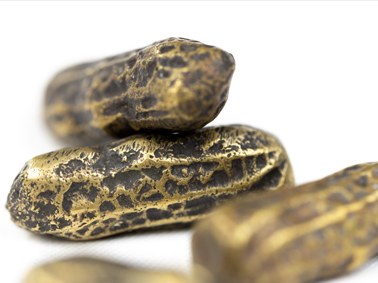
Gold dust weights – Gold in a Peanut Shell

These enigmatic gold dust weights of the Ashanti from Ghana shaped like small brass peanuts with loose casting sand still audible inside, embody a unique interplay of everyday life, economy, and symbolism. From the 15th to the 20th century, gold dust served as a primary means of payment; anyone was allowed to mine or wash for gold, provided that one third was delivered to the authorities.

To measure it precisely, such weights were used, which held not only practical value but also functioned as miniature works of art with deep cultural meaning. In Akan culture, the possession of complete sets of weights was a mark of wealth and social status. They were often presented to newly married men to enable them to establish themselves in trade.

The Mysterious Gao Bao Jin Kui Zhi Wan
04

The Mysterious Gao Bao Jin Kui Zhi Wan

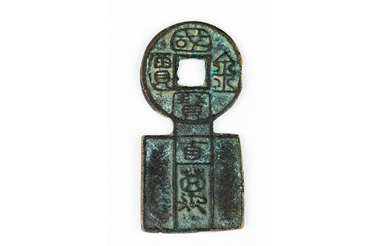
Under Emperor Wang Mang, who ruled the short-lived Xin dynasty from 9 to 23 CE, one of the most enigmatic coins in the world was created: the Gao Bao Jin Kui Zhi Wan. Its inscription can be translated as "State Treasure of Gold, Value Ten Thousand". A name that evokes mythical wealth rather than an ordinary means of payment. Some scholars are convinced that it never circulated in daily use but was instead intended as a symbolic treasure certificate or a manifestation of imperial power.

Today it is considered one of the greatest numismatic rarities: only a handful of specimens survive worldwide, and in 2017 one fetched more than 10,000 US dollars at auction. Its extreme rarity and high value have given rise to a flood of forgeries, which only heighten the legendary aura of this coin.

Koban (Gold Coins), Japan – Edo to Meiji Period (17th–19th century)
05

Koban (Gold Coins), Japan – Edo to Meiji Period (17th–19th century)

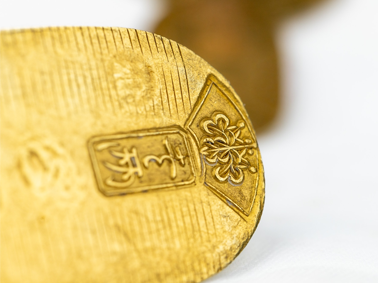
The Koban represents one of Japan's most iconic forms of gold currency, minted in various denominations such as Ichibu-kin, Nibukin, and Oban, depending on their weight and value. Each bears distinctive markings and floral motifs, often the Paulownia imperialis (Empress tree), a symbol of imperial authority.

On many Meiji-period examples, the obverse displays two Paulownia blossoms with inscriptions indicating value (e.g., Ni = 2 Bu), while the reverse features the name of the mint official — such as Mitsu Tsugu, head of the Gold Coin Department, inscribed vertically in Chinese characters, with a large signature seal below. Coins of this type were struck in Osaka, among other mints.

Mitako – Chains of Wealth and Exchange
06

Mitako – Chains of Wealth and Exchange

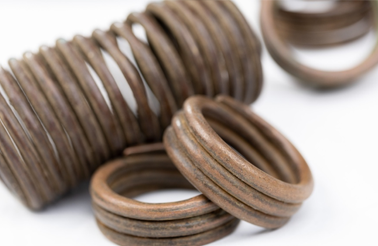
The Mitako of the Teke people from the Congo rank among the most striking metal currencies of Central Africa. Shaped as spirals, arm rings or chains, they developed in the late 19th century into a universal means of exchange, used to pay for anything from a basket of manioc to elephant tusks. Their value ranged from just a few pieces for everyday goods to hundreds or even thousands for slaves and prestige objects.

Crucial to their rise was the import of copper and brass wire from Europe, shipped in large coils across the Atlantic coast and carried deep into the interior. Locally, the wire was cut into manageable lengths, wound into spirals, or linked into chains, producing standardized currency units that were easy to count and transport.

Aztec Axes – Power, Gold and Glory
07

Aztec Axes – Power, Gold and Glory

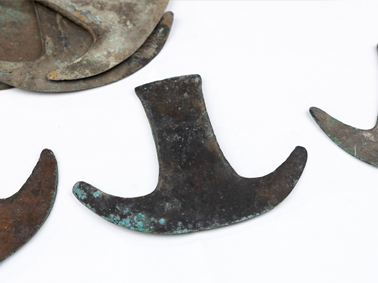
These chisel- and mushroom-shaped copper pieces mark the transition from utilitarian tools to abstract money. Their polished shine carried immense symbolic weight: a single "axe" could once be worth as much as 250 cacao beans or 80 slaves. After the Spanish conquest, however, dramatic inflation set in, the value collapsed to barely two and a half slaves. By 1548, the Spaniards exchanged four such "axes" for five of their own reales, a stark sign of indigenous currencies being displaced by colonial coinage.

Most infamous is the story of Cortés' soldiers: dazzled by the gleam of polished copper, they mistook the axes for solid gold, proudly purchasing 600 pieces and shipping them off to Cuba. Yet when the chest was opened before the governor, the glitter had vanished, the supposed treasure had oxidized. Instead of glory, the soldiers earned only ridicule. Aztec axe money thus tells a tale not only of wealth and power, but also of deception, collapsing value, and the dramatic transformation of entire economies.

Nkembé Neck Ring – Wealth, Beauty and Danger
08

Nkembé Neck Ring – Wealth, Beauty and Danger

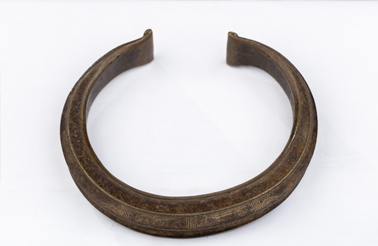
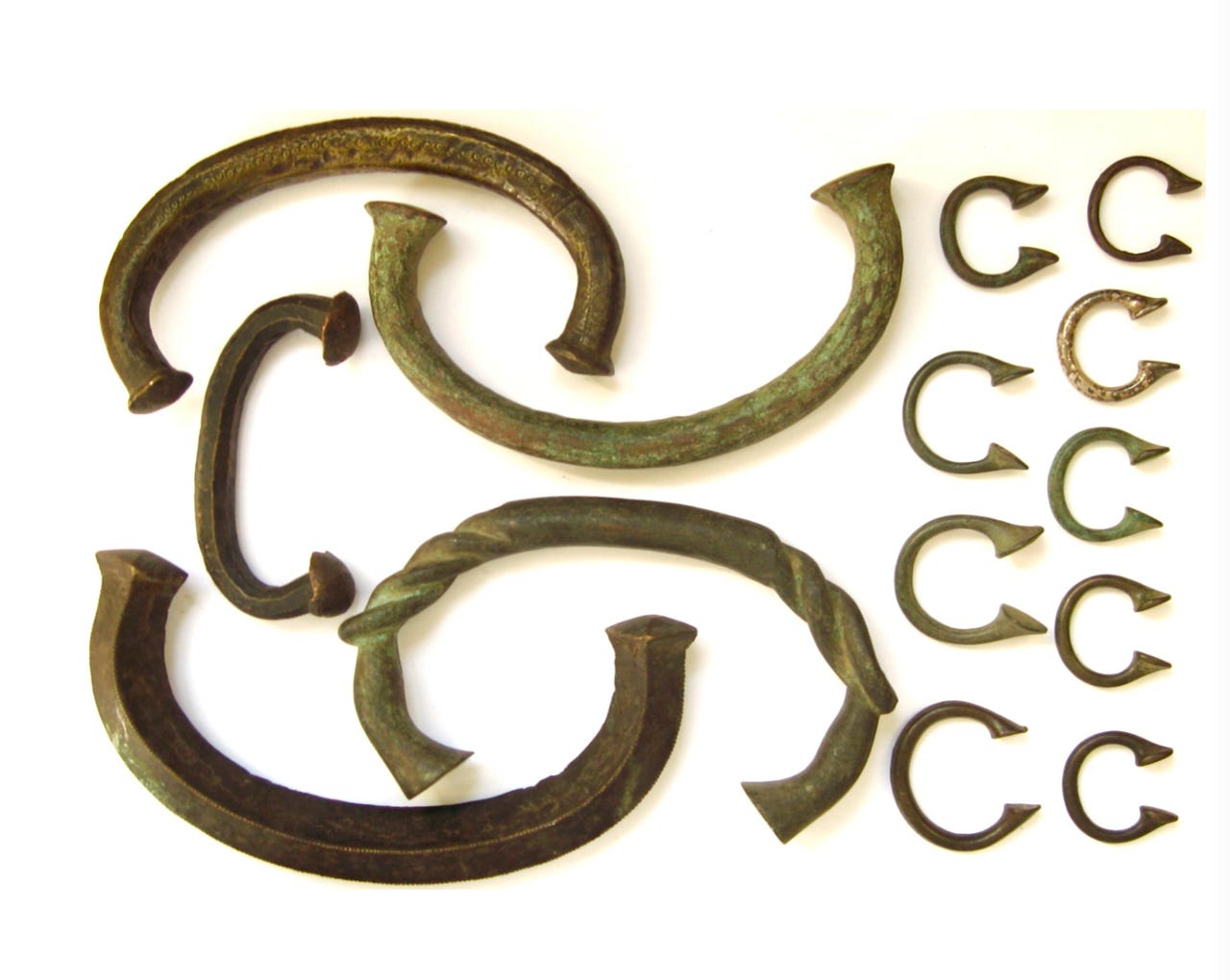
This heavy neck ring (Ø ~19 cm, weight c. 1,498 g) was far more than adornment. It was a portable treasure. Worn by both men and women, it served as a store of wealth and was an essential part of dowries. Some examples weighed up to three kilograms and required the utmost skill of the smith when being put on: the ring had to be pried open or heated and then fitted around the neck. A risky process that could easily cause injury.

The grooved upper section, decorated with geometric incisions, highlights both the craftsmanship and the symbolic power of the object. The Nkembé thus embodied jewelry, capital reserve and prestige all at once. A striking emblem of wealth, status and the close interplay of beauty and danger.

Moletsa – The Oldest Currency on Earth
09

Moletsa – The Oldest Currency on Earth

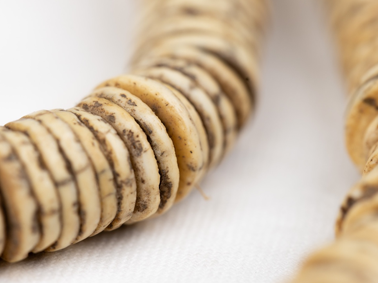
These disc-shaped beads, cut from ostrich eggshells, drilled and strung into necklaces, are among the world's oldest known currencies. Older even than cowrie shells. For millennia Moletsa served both as adornment and as money and in parts of Namibia they remain highly valued today. The finest examples were said to be made by the Kung; their worth could range from a roll of tobacco to a basket full of millet.

A striking link emerges among the Shilluk of today's South Sudan: their king, the Reth, was considered divine and was not permitted to die a "natural" death. Once he grew old or weak, he had to disappear. A ritual killing, ultimately decided by his wives. Even rumors of diminished potency could seal his fate. That Moletsa circulated within such a cultural context makes them not only one of the longest-lived currencies in human history, but also a medium deeply bound up with power, ritual, and the fragile line between life and death.

Ogba Foot Rings – Heavy Rings, Heavy Status
10

Ogba Foot Rings – Heavy Rings, Heavy Status

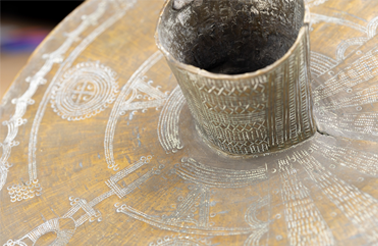
With a diameter of 33 cm and weighing nearly 3 kilograms each, Ogba foot rings were among the most impressive yet also most burdensome status symbols in West Africa. Forged from European brass bars and fixed around the legs of wives, they were an unmistakable display of wealth and prestige. But the price was high: with these cumbersome objects, women could move only with a spread-legged gait, and everyday activities became nearly impossible.

Paradoxically, this very restriction gave the rings added meaning: they signaled that their wearers were relieved of "menial" household tasks and embodied the status of their husbands and families. Brass itself was regarded as the most precious material. Ogba foot rings thus served not only as a store of value and material reserve, but also as a striking symbol of wealth, power, and the burden of prestige.